
A Short History of Black Migration to the United States
As Mark Twain supposedly said, history doesn’t repeat itself, but it often rhymes. President Trump’s claim to be “protecting America against invasion” with his extreme immigration policies echoes Calvin’s Coolidge Klan-inspired declaration a century ago that “America must remain American.” Coolidge said this while signing a bill to reduce immigration by Blacks and other “inferior stock” in favor of white Protestant Northern Europeans. During Black History Month, it is worth revisiting the history of U.S. immigration policy and its discriminatory effect on Black people.
Early American Immigration Policy and the Transatlantic Slave Trade
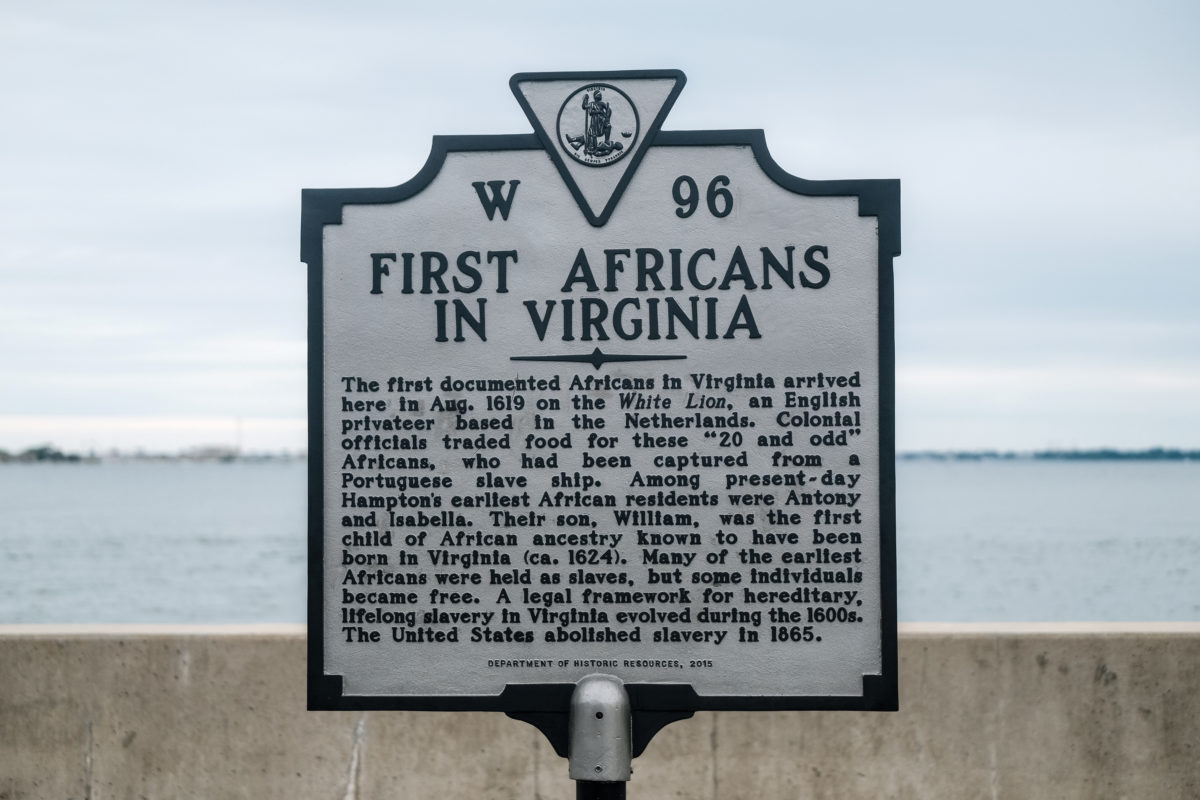
The year 1619 marked the beginning of the forced migration to the Americas of millions of Africans through the transatlantic slave trade, resulting in more than 4 million Black Americans by the time of the Civil War. The slave trade took place against the backdrop of a U.S. immigration system that explicitly limited citizenship to white people of “good character.” In 1870, Congress finally expanded naturalization to those of African descent, although notably not to other races.
The 1924 Immigration Act and Racial Quotas
From the Chinese exclusion laws to the rising global eugenics movement, by the time President Coolidge signed the 1924 immigration bill into law, America had become an unwelcoming place for most immigrants. The new law then created a massive bureaucratic immigration system and established quotas capping the number of immigrants from each country. The law succeeded in its goal of solidifying white power and limiting immigration from Southern Europe, Asia, and Africa. Even the conservative Cato Institute has described the 1924 law as “inspirational to Hitler.”
Immigration Reform After the Civil Rights Movement (The 50 Years before Trump)
Finally, during the Civil Rights Movement, President Johnson signed a new law that eliminated the old quotas and prioritized family unity and the immigration of skilled workers and refugees. This helped usher in a new era where Black immigrants could more easily enter the U.S. This, along with an expanded refugee program and green card lottery, helped bring a new wave of Black immigrants to the United States over the past 50 years. Today, the U.S. is home to 50 million Black people; one in 10 are foreign-born. A majority of Black immigrants in the United States emigrated from the Caribbean, particularly Jamaica and Haiti, while the most common countries of origin for African American immigrants are Nigeria, Ethiopia and Ghana.
Immigration Policy during the Trump Administrations
The all-too-brief era of America serving as a welcoming place for Black immigrants came to a sudden halt with the election of Donald Trump in 2016. Through both rhetoric (lambasting African nations as “shithole” countries) and policy changes (the Muslim ban, family separations, and the public charge rule, to name a few), President Trump made his disdain for Black and Brown immigrants clear during his first term in office. The second Trump Administration has been even worse for would-be Black immigrants. After little more than a year back in office, President Trump has:
- Indefinitely suspended the U.S. refugee program, which in recent years accepted many refugees from the Democratic Republic of Congo, Somalia, and Eritrea;
- Slashed the refugee ceiling to 7,500, the lowest level in the program’s history;
- Paused the Green Card lottery, of which Africa has more participants than any other continent.
- Restricted immigration from 19 countries, ten of which have a majority Black population;
- Suspended visa processing in 75 countries, including 26 in Africa and 10 majority-Black Caribbean nations.
Meanwhile, the Administration created a new refugee program specifically to benefit white Afrikaners based on fringe conspiracy theories. Press reports reveal the Administration is also considering giving immigration preference to immigrants who speak English and to European immigration opponents. Meanwhile, the President’s racism has also continued apace. About Somali immigrants, he said in December: “I don’t want them in our country, I’ll be honest with you.” Just last week, he posted a racist video of President and Mrs. Obama.
Impact on Black Immigrants and the Need for Advocacy
Because these changes have made a U.S. immigration system that was already harsh and unforgiving even more challenging for Black immigrants, it is essential to have a skilled advocate at your side. Our team at Benach Pitney Reilly is achieving wins for our clients every day, even in this difficult political environment. Please get in touch and find out how we can help you obtain the American Dream.
Organizations Supporting Black Immigrants
Here are some organizations that that offer support to black immigrants: