
Birthright Citizenship in the United States: Legal Challenges and the Trump Executive Order
What is Birthright Citizenship Under the 14th Amendment
If you’re born on American soil, you are an American citizen. With very limited exceptions, this has been the rule in place in our country since 1868, when the 14th Amendment of the Constitution was ratified. The rule was confirmed by the Supreme Court in 1898. It is enshrined in federal law. But Donald Trump, as part of his xenophobic quest to rid our country of immigrants, wants to strip U.S. citizenship from many immigrants’ children. On his first day back in office, Trump signed an executive order denying citizenship to individuals born to undocumented immigrants or those here on temporary visas.
The Supreme Court Challenge to the Executive Order
Will this order be allowed to stand? This is the question before the Supreme Court this morning, as it hears arguments in the case of Trump v. Barbara, a class action lawsuit brought by the ACLU and other groups on behalf of babies affected by the order. Every lower court that considered the case found the order unconstitutional, and it has been on hold since shortly after it was issued.
The Precedent of United States v. Wong Kim Ark
Most legal scholars predict that the Court will affirm birthright citizenship. After all, the 14th Amendment plainly says “All persons born or naturalized in the United States, and subject to the jurisdiction thereof, are citizens of the United States and of the State wherein they reside.”
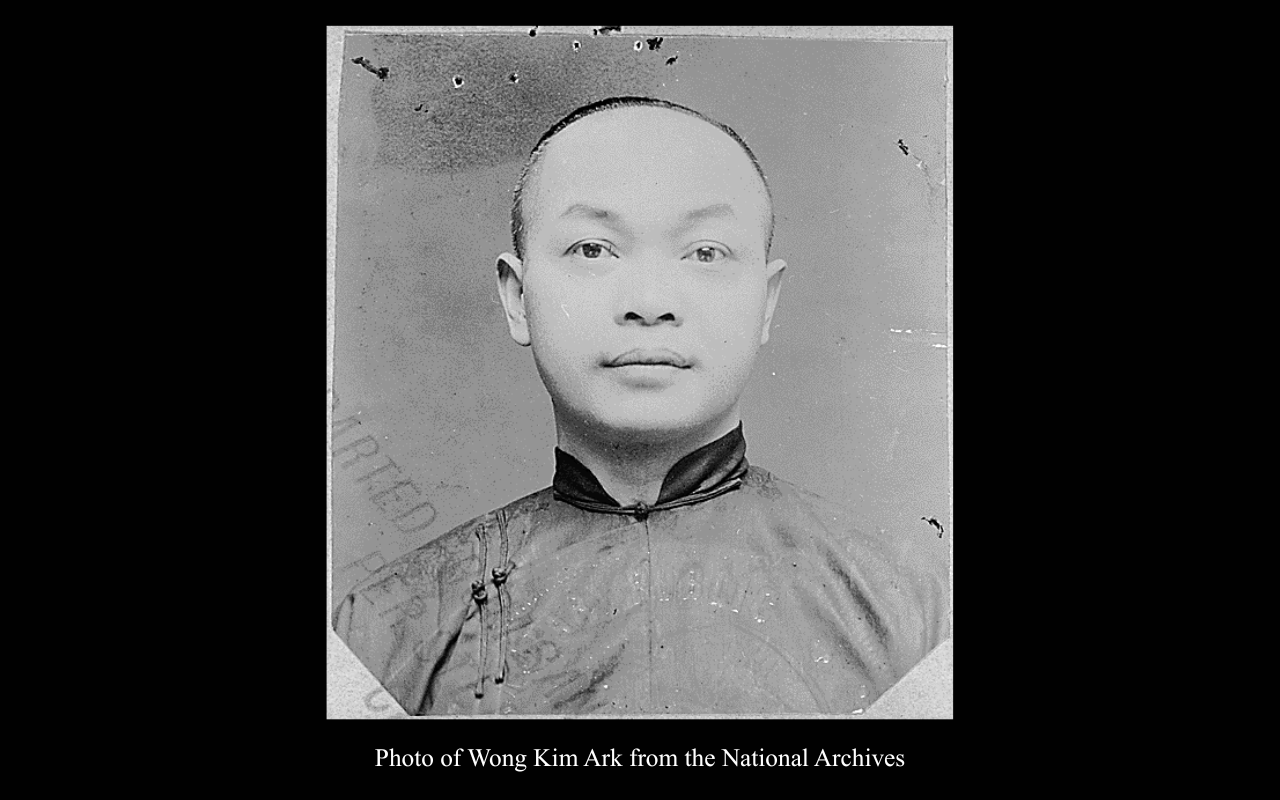
The Court last considered this issue in a time not unlike this one. Racism and xenophobia had led to the passage of the Chinese Exclusion Act in 1882, which expressly banned Chinese laborers from immigrating to the U.S. A young cook named Wong Kim Ark, who was born above his immigrant parents’ store in San Francisco, was denied re-entry to the U.S. after a visit to China in 1895. Officials claimed he lacked U.S. citizenship, because his parents had been citizens of China when he was born, even though they were permanently residing in California at the time.
The government claimed that his parents owed allegiance to China, which rendered them not “subject to the jurisdiction” of the United States and therefore excluded him from birthright citizenship under the 14th Amendment. Wong challenged the decision all the way to the Supreme Court and won. In United States v. Wong Kim Ark, the Court held that the 14th Amendment made Wong a citizen from birth. That landmark precedent has stood for more than a century.
Modern Legal Arguments Against Birthright Citizenship
Until a few years ago, the notion of reversing Wong Kim Ark and repealing birthright citizenship was a crackpot theory promoted only on the extreme fringes of the Republican Party. But ever since Donald Trump first rode down that golden escalator in 2015 to announce his presidential run, many things once unthinkable have come to pass.
A growing number of conservative leaders have been persuaded of the merits of the Trump Administration’s legal theory, which claims that immigrants without permanent legal status are not “subject to the jurisdiction” of the U.S., rendering their babies ineligible for birthright citizenship, echoing the arguments made in the Wong Kim Ark case.
The Roberts Court has proven it is all too willing to disregard long-standing precedent in order to advance the MAGA agenda. It has stripped women of their reproductive rights, deprived transgender children of gender-affirming care, and just yesterday gave the green light to conversion therapy for LGBT youth. So, there is ample reason to fear it may overturn Wong Kim Ark.
What the Supreme Court’s Decision Could Mean
One thing gives us hope: in February, the Court in a 6-3 decision struck down the President’s tariffs, one of the signature policies of his second term. Perhaps that foreshadows a new willingness by at least some conservative members of the Court to occasionally follow the Constitution rather than doing the President’s bidding. We hope that the Court listens to the wise counsel for the ACLU and adheres to its own “precedents, Congress’s dictates, longstanding Executive Branch practice, scholarly consensus, and well over a century of our nation’s everyday practice” and endorses birthright citizenship.