
Habeas Corpus in Immigration Detention: The Case of Yajure Hurtado
What is Habeas Corpus and Why it Matters in Immigration Cases
“You have the body.” That is the literal definition of habeas corpus, a Latin term for a legal procedure that dates to the 13th century and is enshrined in the U.S. Constitution. When lawyers file a habeas motion, we are demanding that the government produce our client in court and provide a legal justification for their detention. Sometimes termed the last hope of the innocent, habeas motions have become an increasingly vital tool for immigration lawyers in the wake of the Trump Administration’s extreme immigration policies.
The Detention of Jonathan Javier Yajure Hurtado
Before 2025, immigrants who had lived in the U.S. for years were regularly released into the community while their cases were pending, even if they had originally crossed the border outside of a port of entry—also known as “entry without inspection” or EWI. Because of the years-long backlog of immigration cases, an individual could spend years building a life in America before their case was decided. Such was the case for a Venezuelan immigrant named Jonathan Javier Yajure Hurtado.
Fleeing the violence in his home country, Mr. Yajure Hurtado crossed the U.S.-Mexican border without inspection in 2022. In 2023, the Biden Administration designated Venezuela as unsafe for its residents, which allowed Mr. Yajure Hurtado to receive temporary protected status (TPS) in the U.S. In February 2025, the Trump Administration claimed that conditions in Venezuela had improved and ended Venezuela’s TPS status. Mr. Yajure Hurtado’s protected status expired on April 2, 2025. Six days later, he was arrested.
On July 8, 2025, breaking with longstanding practice, the Department of Homeland Security announced that immigrants who had EWI’d were ineligible for bond hearings and must remain in ICE custody for the duration of their immigration cases. Applying this new policy, the immigration judge hearing Mr. Yajure Hurtado’s case ordered him to remain detained, despite his many years living in the U.S. The Board of Immigration Appeals upheld the ruling in September 2025. This series of events marked a fundamental and draconian change in U.S. immigration policy.
The Rise of Habeas Petitions Challenging Mandatory Detention
Once an option of last resort, habeas petitions began to be filed by the thousands in response to the new mandatory detention policy. Now, on an average day federal courts will receive 200 new habeas petitions. The vast majority of these petitions have been successful, resulting in either a bond hearing or outright release, with more than 300 federal judges ruling against the Administration, including 33 appointed to the bench by President Trump. Benach Pitney Reilly has filed more than a dozen of these habeas cases and our clients have successfully been granted bond.
Federal Court Split and the Future of Mandatory Detention
Meanwhile, a number of lawsuits have expressly challenged the legality of the policy, leading to different results in different parts of the country. In the Central District of California, a judge struck down the policy, vacated the Yajure Hurtado decision, and went so far as to require DHS to notify affected immigrants in both English and Spanish that they were eligible for a bond hearing.
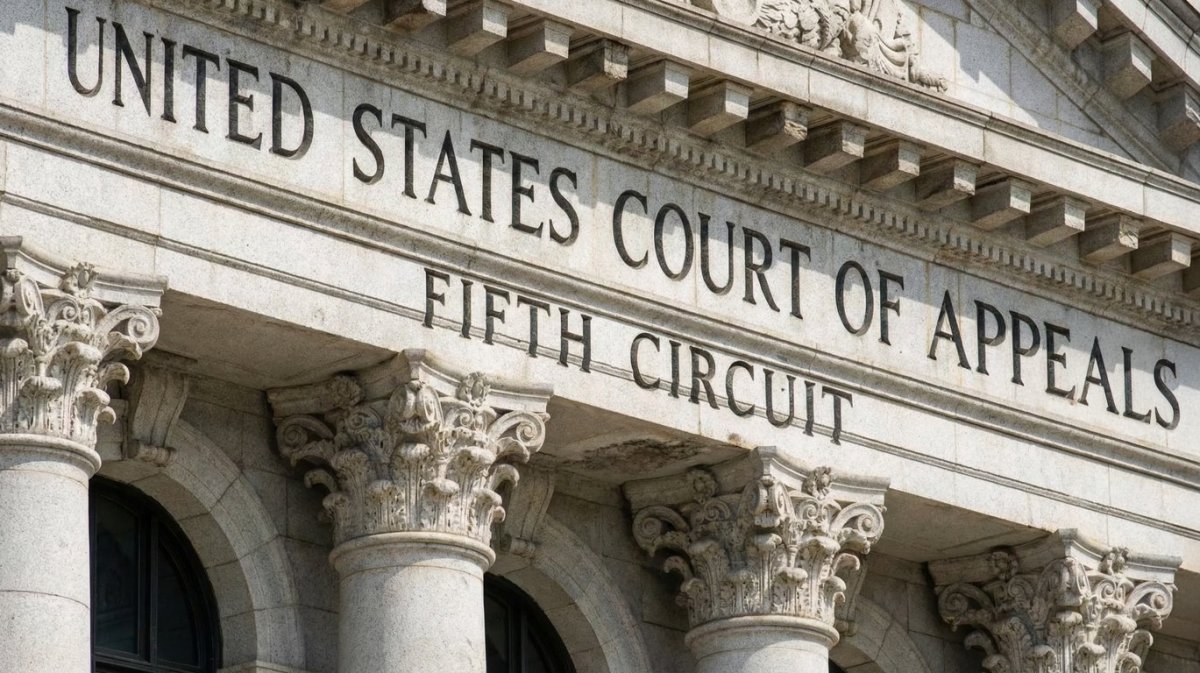
The Ninth Circuit, however, has temporarily stayed the order vacating Yajure Hurtado, and a split panel on the Fifth Circuit—which includes Texas, Louisiana, Mississippi—last month upheld the new DHS policy. Several other circuits are currently considering the issue, and the Supreme Court will likely have the final say on who is subject to mandatory detention under federal law.
Why Federal Court Experience Matters for Detained Immigrants
While the legality of the DHS detention policy is being debated, habeas petitions will continue to be a critical tool for detained immigrants. This is why your choice of immigration counsel matters more than ever. If you or a loved one needs representation, you want an attorney who is experienced in federal court litigation, like those of us here at Benach Pitney Reilly. Please contact us if you need assistance.