
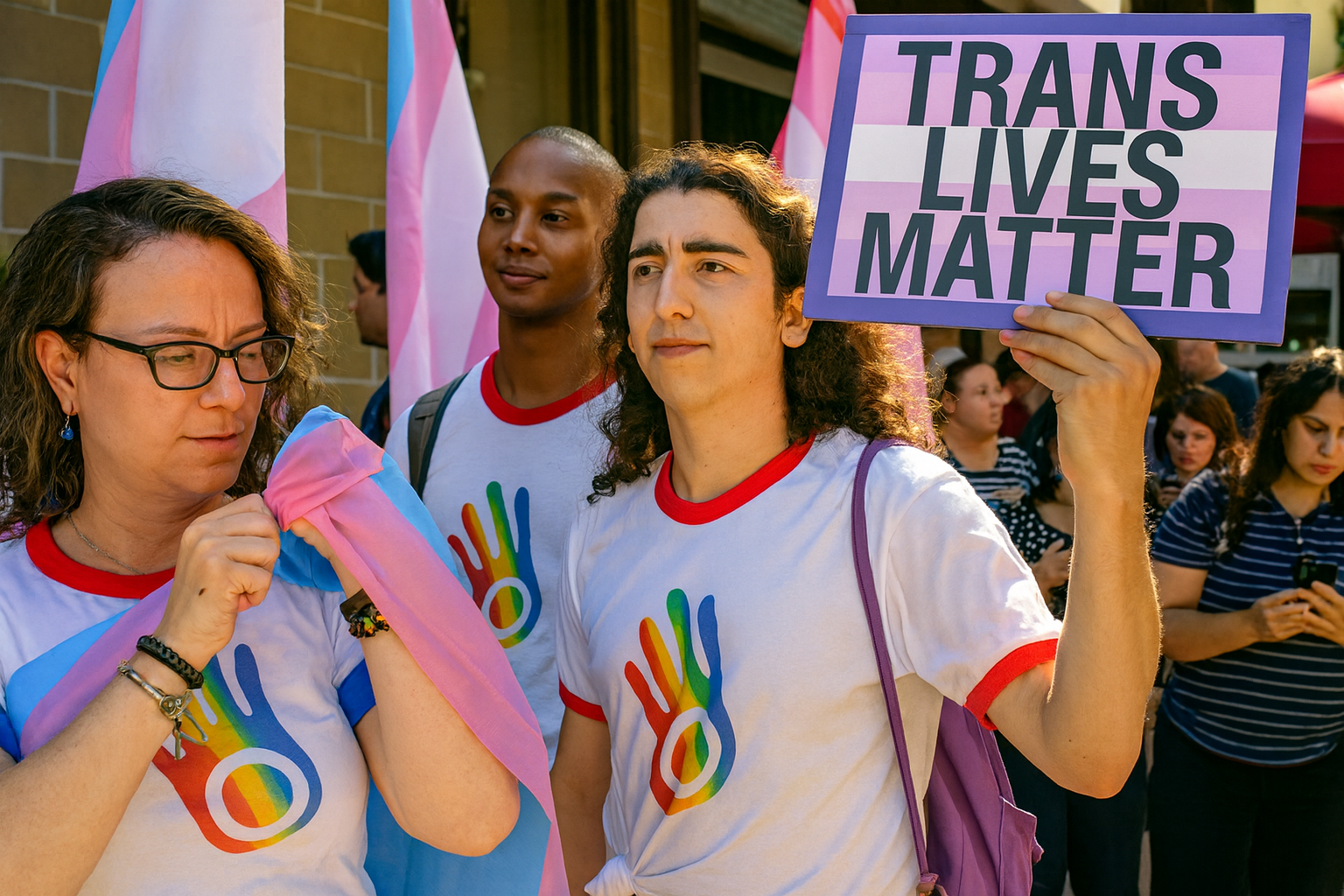
Transgender individuals navigating the U.S. immigration system face layered challenges—some legal, many life-threatening. Around the world, trans people are disproportionately targeted by state violence, social stigma, and gender-based abuse. For many, migration becomes a matter of survival, yet the journey to safety is often marked by further discrimination, both abroad and within the U.S. immigration system itself.
Legal options exist for those fleeing persecution, violence, and mistreatment—including asylum, U visas, and protections under the Convention Against Torture. But access to these pathways depends not only on eligibility, but on timely action, supportive documentation, and advocacy that affirms a person’s gender identity and lived experience.
This artcile outlines key legal protections available to transgender immigrants, highlights institutional barriers that still persist, and explains how trauma-informed legal representation can protect both safety and dignity.
Why Transgender Individuals Face Unique Immigration Risks
Transgender immigrants are among the most vulnerable populations in global and U.S. migration systems. In many countries, trans people face violence from state authorities, organized crime, and even family or community members—without meaningful protection from law enforcement. In the immigration context, this heightened risk of harm can shape every stage of a case, from asylum eligibility to conditions in detention.
Key factors that contribute to elevated risk include:
- Criminalization of gender identity or expression in countries of origin, especially in regions like Central America, the Caribbean, and parts of Africa or Asia.
- Targeting by gangs or paramilitary groups, particularly when trans individuals are visible or outspoken in their communities.
- Police violence or state-sponsored abuse, including arbitrary detention, assault, or coerced “corrective” treatment.
- Lack of access to safe housing, employment, or healthcare, which compounds vulnerability both abroad and after arrival in the U.S.
These intersecting threats are widely recognized in immigration law as legitimate grounds for relief—especially in claims based on membership in a particular social group. However, success often depends on clearly demonstrating how gender identity is connected to the risk of persecution or harm.
Asylum Protections for Transgender Individuals
Transgender immigrants have been eligible for asylum in the United States since the early 2000s, when courts began recognizing gender identity as grounds for protection under U.S. asylum law. A key legal foundation for these claims is the designation of transgender individuals as members of a “particular social group,” one of the five protected grounds for asylum under the Immigration and Nationality Act.
Grounds for Transgender Asylum Claims
To qualify for asylum, a transgender applicant must show:
- Past persecution or a well-founded fear of future persecution
- That the harm is on account of gender identity
- That the persecutor is the government or a group the government cannot or will not control
This includes cases involving:
- State-sponsored violence, including arrest, detention, or torture based on gender identity
- Abuse by gangs or extremist groups in countries where transgender people are targeted
- Widespread social discrimination amounting to denial of housing, employment, or medical care
Regional Context: The Northern Triangle
Many transgender asylum seekers come from El Salvador, Guatemala, and Honduras, where violence against LGBTQ+ individuals—particularly trans women—is widespread and systemic. In these cases, courts have recognized both government persecution and the failure of state protection as valid bases for relief.
Strategic Considerations
Because asylum is a discretionary form of relief, success depends on presenting credible, well-documented claims. Applicants benefit from medical or psychological evaluations, country conditions reports, and letters from advocacy organizations that affirm both identity and risk.
U Visas for Survivors of Crime and Gender-Based Violence
For transgender immigrants who have experienced serious crimes in the United States, the U visa offers a critical form of humanitarian protection. Created in 2000, the U visa is specifically designed for individuals who have suffered substantial physical or mental abuse as a result of qualifying criminal activity and are willing to assist law enforcement in the investigation or prosecution of that crime.
Why the U Visa Matters for Transgender Immigrants
Transgender individuals—especially those who are undocumented or seeking protection—are at increased risk of gender-based violence, including:
- Sexual assault
- Domestic violence
- Human trafficking
- Hate crimes or targeted physical attacks
In many cases, these crimes go unreported due to fear of retaliation, mistrust of police, or previous experiences of discrimination. The U visa creates a pathway to safety and stability by recognizing the dual realities of harm and courage—acknowledging not just the trauma experienced but also the individual’s role in seeking justice.
Key Eligibility Requirements
- To qualify, a U visa applicant must demonstrate:
- They are a victim of a qualifying crime that occurred in the U.S.
- They suffered significant abuse as a result of the crime
- They cooperated with law enforcement or are willing to do so
- They obtain a certification (Form I-918B) from a law enforcement agency
If granted, U visa holders may:
- Live and work legally in the U.S. for four years
- Apply for certain qualifying family members to join them
- Become eligible for a green card after three years of continuous presence
The U visa process is complex and often delayed by backlogs, but it remains one of the most important tools for transgender immigrants facing domestic, sexual, or gender-motivated violence.
Protection Under the Convention Against Torture (CAT)
For transgender immigrants who face extreme risk of harm in their country of origin—but may not qualify for asylum—protection under the Convention Against Torture (CAT) offers a critical legal safeguard. This form of relief prevents the U.S. government from removing an individual to a country where they are likely to face torture by the government or with its consent.
How CAT Applies to Transgender Immigrants
Transgender individuals often face state-sponsored violence, prison abuse, and systemic neglect in countries where gender nonconformity is criminalized or stigmatized. CAT protections may be available in cases where:
- The applicant fears torture due to their gender identity
- Past abuse in detention or state custody can be documented
- The government is actively complicit in, or turns a blind eye to, torture of transgender people
Unlike asylum, CAT protection:
- Does not require proof of persecution on account of a protected ground (e.g., political opinion or membership in a social group)
- Offers protection only from removal, not a path to lawful permanent residency
- Is based on a high burden of proof: “more likely than not” to face torture if returned
Real-World Application
For transgender individuals who have been detained, assaulted, or publicly humiliated in their home countries—or who face credible threats of such treatment—CAT can provide a last line of defense against deportation.
Legal counsel plays a pivotal role in framing CAT claims with the evidence necessary to meet the standard of proof, including:
- Country conditions reports
- Human rights documentation
- Medical or psychological evaluations
- Testimony about prior abuse
Challenges within the U.S. Immigration System
While the U.S. offers legal protections for transgender immigrants through asylum, U visas, and CAT, the immigration system itself presents persistent barriers. From detention conditions to misgendering in documentation, transgender individuals often face systemic inequities even after reaching U.S. soil.
Discrimination in Housing, Employment, and Detention
Even after arriving in the United States, transgender immigrants often face widespread discrimination. Barriers to stable housing, safe employment, and consistent access to services persist—particularly for those without lawful status. In immigration-related contexts, this discrimination can manifest as unequal treatment during interviews, delays in case processing, or the refusal to recognize gender identity in documentation and legal filings.
Mistreatment in ICE Custody
Transgender individuals held in ICE custody face disproportionately harsh conditions. Misgendering, verbal abuse, and physical violence from staff and other detainees are common. Transgender detainees are also frequently placed in solitary confinement, not as punishment but under the guise of “protective custody.” These measures can lead to devastating psychological effects. According to human rights advocates, transgender immigrants are 97 times more likely to be sexually assaulted in detention than others in custody.
Inaccessibility of Gender-Affirming Medical Care
Despite medical consensus that gender-affirming care is essential and life-saving, access to such care in detention is limited or entirely denied. Hormone therapy may be disrupted, and requests for appropriate medical or mental health services are often delayed, ignored, or mishandled. These gaps in care can result in severe physical and psychological harm.
Mental Health Toll and Retraumatization in Legal Proceedings
The immigration process itself can be retraumatizing. Transgender immigrants who have fled violence may be required to relive traumatic experiences in legal settings that are often adversarial and lacking in cultural competence. The burden of proof placed on the applicant, combined with language barriers, inconsistent adjudication, and limited access to legal representation, can lead to immense stress and deteriorating mental health.
Importance of Legal Gender Recognition
Policy Advances: USCIS and State Department Updates
In recent years, U.S. federal agencies have taken steps to improve gender recognition for transgender and nonbinary individuals. Since 2022, the U.S. Department of State has allowed passport applicants to self-select a gender marker, including the nonbinary “X” designation, without requiring medical documentation. Similarly, U.S. Citizenship and Immigration Services (USCIS) updated its policy in 2023 to permit applicants to indicate a gender identity on immigration forms that does not match the gender listed on their supporting documents.
These updates represent a meaningful step forward in reducing bureaucratic harm and affirming diverse gender identities within the immigration system.
The Role of Gender Identity Documentation in Immigration
Legal gender markers appear throughout immigration paperwork—from asylum applications (Form I-589) and green card petitions (Form I-485) to employment authorization documents (Form I-765). Inconsistencies between an applicant’s gender identity and the gender listed on passports, birth certificates, or prior immigration records can raise unnecessary red flags, trigger delays, or complicate background checks.
Proper documentation that reflects a person’s affirmed gender can help reduce confusion, promote dignity in processing, and limit retraumatization during interviews and court appearances.
Navigating Inconsistencies in Legal Systems
While federal agencies have adopted more inclusive gender policies, other legal systems—such as state governments, foreign consulates, and detention facilities—may follow outdated or binary-only standards. This patchwork of recognition can complicate everything from identity verification to accessing appropriate medical care in custody.
Legal support that understands and anticipates these inconsistencies is often critical to ensuring that a transgender immigrant’s case proceeds smoothly and that their identity is respected throughout the process.
How Benach Pitney Reilly Immigration Supports Transgender Immigrants
Benach Pitney Reilly Immigration brings decades of experience advocating for LGBTQ+ immigrants, with a deep understanding of the challenges that transgender individuals face in both their countries of origin and within the U.S. immigration system. The firm’s attorneys have successfully represented transgender clients in asylum proceedings, U visa petitions, Convention Against Torture claims, and other forms of relief.
Tailored Strategies for Affirmation and Safety
Every case is approached with a strategy grounded in both legal precision and cultural competency. The firm prioritizes the safety, dignity, and identity of each transgender client—whether navigating detention conditions, preparing for gender-sensitive interviews, or managing discrepancies in documentation.
Representation That Reflects the Community
With team members who identify as part of the LGBTQ+ community, Benach Pitney Reilly Immigration brings lived experience into the courtroom and case strategy. The firm recognizes that trust and representation matter, especially for transgender immigrants navigating a legal system that has not always affirmed their identities.
Litigation Strength with Humanitarian Values
Benach Pitney Reilly is known for its strong litigation background and its commitment to humanitarian immigration. For transgender clients facing particularly high-stakes situations—such as prolonged detention or complex appeals—the firm brings both aggressive legal advocacy and deep compassion to every case.
Advancing Safety and Dignity Through Legal Representation
Transgender individuals navigating the U.S. immigration system deserve more than basic legal assistance—they deserve representation that affirms their identity, understands their unique risks, and fights for their right to live freely and safely. Whether facing persecution abroad or mistreatment within the U.S., legal support can be the key to securing protection, stability, and dignity.
Benach Pitney Reilly Immigration is proud to stand with transgender immigrants and to offer client-centered, identity-affirming representation grounded in decades of experience and advocacy. For those seeking safety, freedom, and recognition, the firm is ready to help every step of the way. Schedule a consultation today!
Yes. Both asylum recipients and U visa holders may apply for lawful permanent residence (a green card) after meeting specific eligibility criteria and time-in-status requirements.
Frequently Asked Questions
What immigration options exist for transgender individuals facing persecution?
Asylum, U visas, and protections under the Convention Against Torture (CAT) are three primary forms of relief. Each option depends on an individual’s experiences, risk of harm, and circumstances surrounding their entry or stay in the U.S.
Can transgender identity qualify as grounds for asylum?
Yes. U.S. immigration law recognizes transgender individuals as members of a “particular social group.” This means individuals who fear persecution due to their gender identity may qualify for asylum protection.
What documentation is required for a transgender asylum or U visa case?
Evidence may include personal declarations, medical or psychological evaluations, affidavits from community members, country condition reports, and proof of gender identity–related persecution or violence.
Are gender-affirming identity documents necessary for immigration forms?
While not always required, gender-affirming documentation (such as updated passports, IDs, or letters from health professionals) can help align an individual’s identity across legal systems and reduce barriers in the immigration process.
How does ICE detention affect transgender immigrants?
Transgender individuals face higher risks of abuse, solitary confinement, misgendering, and denial of medical care while in detention. Legal representation is crucial to advocate for safe placement and potential release.
Can transgender immigrants apply for a green card after being granted asylum or a U visa?
Yes. Both asylum recipients and U visa holders may apply for lawful permanent residence (a green card) after meeting specific eligibility criteria and time-in-status requirements.
Does Benach Pitney Reilly Immigration provide representation specifically for transgender immigrants?
Yes. The firm has a long-standing commitment to LGBTQ+ advocacy and offers tailored, culturally competent legal support to transgender clients seeking relief from removal, protection from violence, and pathways to permanent residency.